


Cubic Zirconia Jewellery: What You Should Know Before Buying Your Next Piece
Cubic zirconia jewellery offers impressive sparkle without the high cost associated with natural diamonds. Available in everything from elegant earrings and necklaces to bracelets and statement rings, it has become a popular choice for anyone wanting an affordable way to add brilliance to their jewellery collection.
However, cubic zirconia is not a real diamond or a lab-created diamond. It is a separate synthetic stone with its own appearance, durability and care requirements. Before buying cubic zirconia jewellery, it is worth understanding what the material is, how to recognise a well-made piece and whether it suits the way you plan to wear it.

What Is Cubic Zirconia?
Cubic zirconia, commonly shortened to CZ, is a lab-made material created from zirconium dioxide, also known as zirconium oxide. It was first produced commercially in the 1970s and has since become one of the most widely used diamond simulants in jewellery.
A diamond simulant is a stone designed to resemble a diamond without sharing its chemical composition. Natural diamonds and lab-grown diamonds are both made from crystallised carbon and have essentially the same physical and optical properties. Cubic zirconia is made from zirconium dioxide, making it an entirely different material.
Cubic zirconia should also not be confused with zircon. Zircon is a naturally occurring gemstone found in the earth, whereas CZ is created under controlled laboratory conditions.
Does Cubic Zirconia Look Like a Real Diamond?
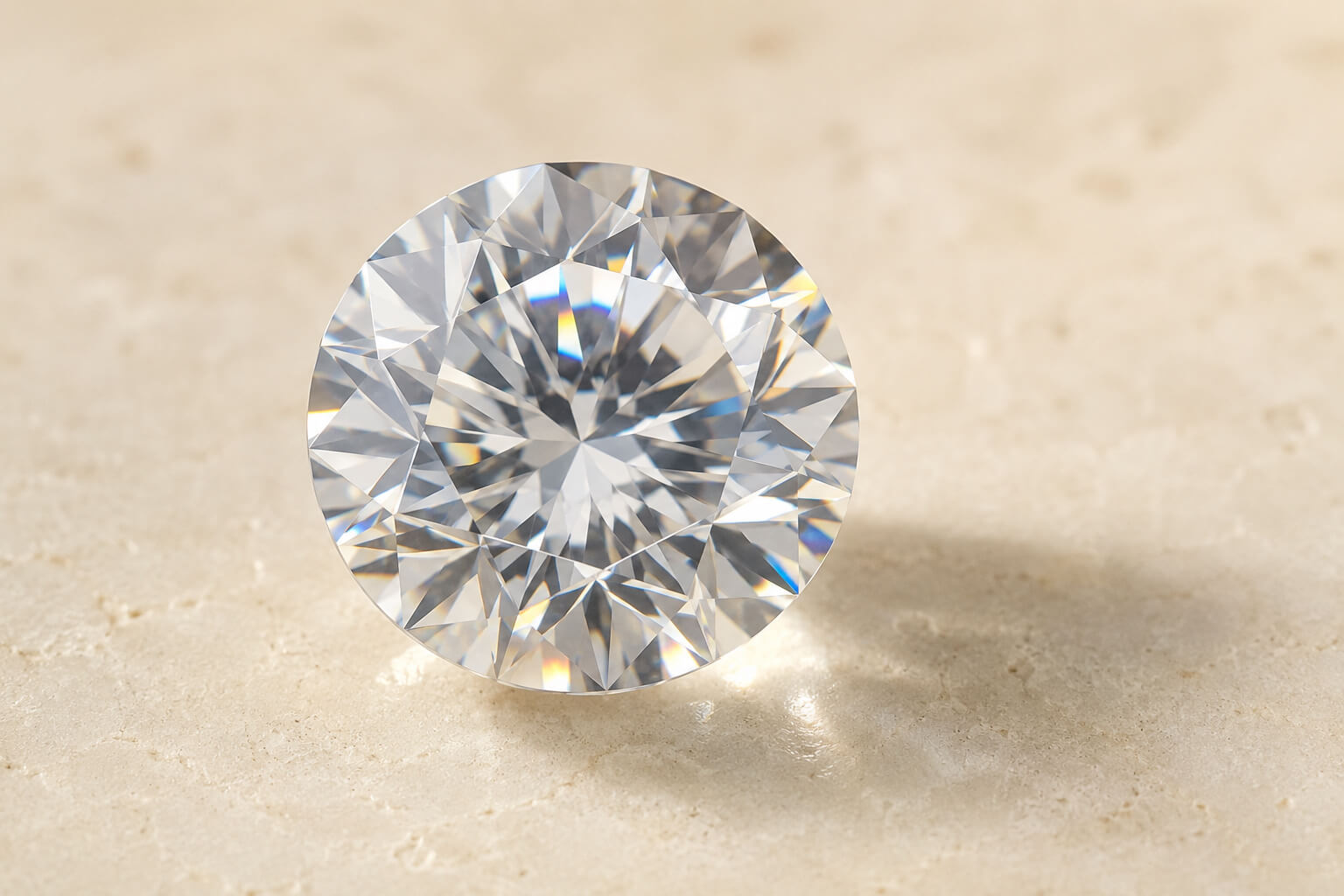
A well-cut cubic zirconia stone can look remarkably similar to a diamond, particularly to the untrained eye. High-quality CZ is often virtually colourless and can reflect light beautifully when it has been cut and polished well.
There are still visible differences. Diamonds tend to produce a combination of bright white light, brilliance and coloured flashes. Cubic zirconia has greater dispersion, which can create a more noticeable rainbow-like sparkle. Some people enjoy this colourful effect, while others prefer the sharper brilliance of a real diamond.
CZ is also denser than diamond. A cubic zirconia stone can weigh around 1.6 times as much as a diamond of the same size, although this difference may not be obvious once the stone is set within a ring or necklace.
Is Cubic Zirconia the Same as a Lab-Grown Diamond?
Cubic zirconia and lab-grown diamonds are not the same.
A lab-created diamond is a real diamond produced in a controlled environment rather than mined from the earth. It has the same carbon structure and fundamental characteristics as a natural diamond. Cubic zirconia is a synthetic diamond simulant made from zirconium dioxide.
The price difference reflects this distinction. CZ provides a highly affordable alternative for fashion-led jewellery, while natural and lab-grown diamonds are generally chosen for their hardness, rarity, lasting beauty and suitability for fine jewellery.
Those comparing options for an engagement ring should therefore consider more than initial cost. A cubic zirconia ring can provide an accessible look or work well as a temporary or travel ring, but a diamond is typically better suited to an engagement ring intended for decades of daily wear.
How Durable Is Cubic Zirconia?
Cubic zirconia ranks approximately 8 to 8.5 on the Mohs hardness scale. This makes it harder than many other gemstones and durable enough for a wide range of jewellery use. However, it remains softer than sapphire, which ranks 9, and diamond, which sits at 10 on the Mohs scale.
Because CZ is softer than diamond, it is more vulnerable to scratches, chips and surface wear. A frequently worn cubic zirconia piece may gradually become less crisp or brilliant, particularly if it is exposed to hard surfaces, beauty products and rough activities.
This does not mean CZ is unsuitable for daily wear. Earrings and necklaces are generally exposed to less friction than rings and bracelets, making them practical choices for regularly worn cubic zirconia pieces. A CZ ring may require more careful handling because hands frequently come into contact with desks, doors and other surfaces.
Why Can Cubic Zirconia Become Cloudy?
Cubic zirconia absorbs and attracts body oils, moisturiser, make-up and everyday dirt. As this residue accumulates across the stone, it can prevent light from entering and reflecting properly, causing the surface to appear cloudy or dull.
In some cases, a CZ piece simply needs a thorough clean to restore its sparkle. However, scratches and long-term surface wear can also reduce its brilliance over time. Unlike diamonds, which are exceptionally resistant to scratching, cubic zirconia may eventually need professional polishing or replacement if it has become noticeably damaged.
How quickly this happens depends on the quality of the stone, its setting, how often it is worn and how carefully it is maintained. Claims that every cubic zirconia stone will require replacement after a fixed number of years should therefore be treated cautiously.
How to Identify High-Quality Cubic Zirconia
The quality of a cubic zirconia stone depends heavily on its cut and finish. A precisely cut stone reflects light attractively, while a poorly finished one can appear flat, glassy or artificial.
Some retailers describe high-grade cubic zirconia using ratings such as A, AAA or AAAAA. Although 5A is commonly marketed as the highest CZ grade, there is no universally regulated grading system equivalent to the recognised grading reports used for diamonds. These labels should therefore be considered alongside the overall craftsmanship and reputation of the jeweller.
Look for a clean, symmetrical cut, well-defined facets and a stone that appears bright rather than dull. High-quality colourless CZ is sometimes compared with the D colour category used for diamonds, but the two materials are not graded in the same way.
The metal and setting are equally important. A beautiful cubic zirconia stone placed in a weak setting may loosen or become damaged. Secure prongs or bezel settings can help protect the gem and reduce the risk of losing it.
Choose the Right Metal Setting
The setting can make all the difference to the appearance and lifespan of CZ jewellery. Cubic zirconia can be set in gold, gold vermeil, platinum and sterling silver, as well as less valuable base metals.
Choosing a high-quality metal such as 925 sterling silver or gold can create a more refined piece with better long-term wearability. The product description should state clearly whether the item is solid gold, gold plated or sterling silver rather than relying on vague colour descriptions.
Lords offers cubic zirconia pieces set in carefully selected metals, including sterling silver, gold vermeil and gold-plated fashion jewellery. This makes it possible to choose a CZ piece based not only on its sparkle, but also on the quality, colour and finish of the surrounding design.
Is Cubic Zirconia Suitable for Engagement Rings?
A cubic zirconia engagement ring offers a diamond-inspired appearance at a significantly lower cost. This can make CZ appealing to couples working with a limited budget or those who prefer to spend less on the initial ring.
It can also be useful as a travel ring, allowing the wearer to leave a valuable engagement ring safely at home while still enjoying a familiar style.
However, CZ does not have the hardness, enduring brilliance or potential resale value of a natural or lab-grown diamond. Its surface is more likely to scratch with daily wear, and its shine may diminish over time.
For an engagement ring intended to become an heirloom, diamonds, sapphires and certain other gemstones may provide greater long-term durability. Cubic zirconia remains a valid choice, but buyers should understand that affordability rather than investment value is its main strength.
Does Cubic Zirconia Have Resale Value?
Cubic zirconia generally has little to no resale value. It is manufactured in large quantities and is not rare, meaning the stone itself does not usually retain financial value in the way that some diamonds, precious gemstones or gold pieces may.
The value of a CZ piece may instead come from its metal content, craftsmanship, brand or personal significance. A cubic zirconia stone set in gold will usually have more inherent material value than the same stone set in an inexpensive base metal.
Those purchasing jewellery primarily as an investment should not buy cubic zirconia for its resale potential. It is better viewed as an affordable way to enjoy sparkle, design and fashion.
Is Cubic Zirconia an Ethical Choice?
Because cubic zirconia is lab-made, producing the stone does not require diamond mining and does not carry the same direct risk of originating from diamond conflict zones. Laboratory production can also provide greater control over working conditions and supply chains.
It is sometimes described as completely guilt-free or as having no environmental impact, but these claims are too absolute. Producing any synthetic material requires energy and resources, while the metal used in the finished jewellery also has its own supply chain.
Even so, CZ can be an appealing option for customers who want a diamond-like appearance without purchasing a mined stone. Buyers who prioritise sustainability should also look at the materials used in the setting, how transparently the piece is described and the reputation of the retailer.
Cubic Zirconia Colours and Designs
Although clear CZ is the most familiar option, cubic zirconia can be created in many colours, including pink, blue, red and green. These coloured stones can provide the appearance of ruby, sapphire or other gemstones at a more affordable price.
CZ can be cut into many shapes and used in rings, earrings, bracelets and necklaces. A single solitaire stone creates an elegant finish, while pavé settings use multiple small stones to produce a high-impact sparkle.
Cubic zirconia also pairs beautifully with pearls, combining softness and brilliance within the same design. It can be used to introduce a contemporary touch to classic jewellery or create bolder pieces intended for parties and special occasions.
How to Clean Cubic Zirconia Jewellery
Regular cleaning helps CZ maintain its brilliance by removing oils and residue from the surface. Begin by placing the jewellery in warm water with a small amount of mild washing-up liquid. Use a clean, soft brush to work gently around the stone and its setting.
Rinse the piece carefully to remove any remaining soap. It should then be dried thoroughly with a soft, lint-free cloth, as dried soap residue can leave the stone looking cloudy.
Avoid harsh chemicals, abrasive cleaners and rough polishing materials. These may damage the metal setting or scratch the surface of the cubic zirconia. Jewellery should also be removed before swimming, exercising, cleaning or completing rough activities.
How to Store Cubic Zirconia
Store cubic zirconia jewellery separately from diamonds, sapphires and other hard gemstones. These stones can scratch CZ when pieces rub against one another inside a jewellery box.
A soft pouch or lined compartment will help protect the stone and prevent chains from becoming tangled. Storing each piece separately is especially important for rings and bracelets, which can knock against other jewellery more easily.
Taking a few seconds to store CZ correctly can preserve its polish and help it retain its sparkle for longer.
Is Cubic Zirconia Worth Buying?
Cubic zirconia is worth considering when you want an attractive, affordable piece with plenty of sparkle. It works particularly well for fashion jewellery, occasional statement pieces, travel rings and designs that allow you to experiment with larger stones or new styles without a high cost.
It may be less suitable when long-term durability, resale value or heirloom quality is the main priority. In those circumstances, natural diamonds, lab-grown diamonds, sapphires or other durable gemstones may offer better value over time.
The best choice depends on what you expect from the jewellery. CZ offers accessible beauty and versatility, while fine jewellery featuring diamonds and precious gemstones is more likely to meet the demands of lifelong daily wear.
Find Your Next Cubic Zirconia Piece at Lords
Buying cubic zirconia jewellery becomes easier when the stone, setting and materials are described clearly. Before purchasing, consider where you will wear the piece, how often it will be used and whether the metal and setting provide the quality you expect.
At Lords, our fashion jewellery collection includes cubic zirconia earrings, necklaces, pendants and bracelets crafted in finishes such as sterling silver and gold vermeil. Each design offers an elegant way to introduce extra brilliance into your jewellery collection, whether you are shopping for daily wear, a thoughtful present or a special occasion.